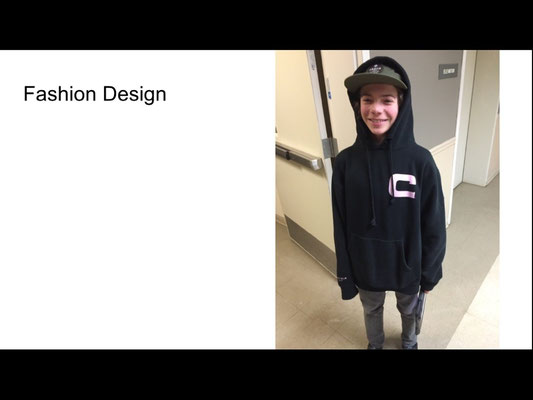
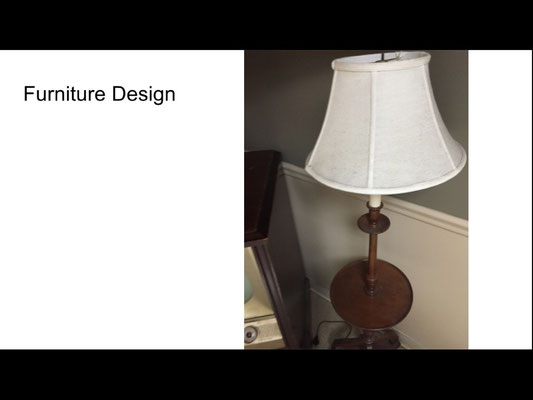
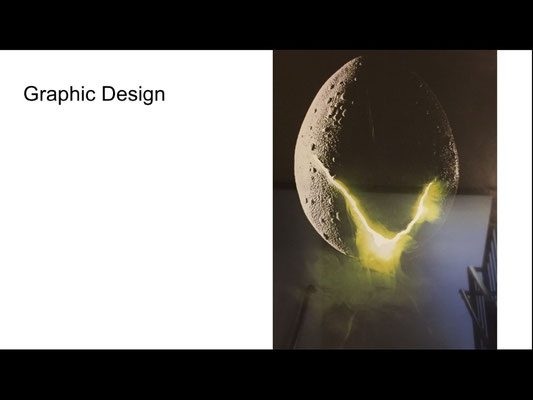
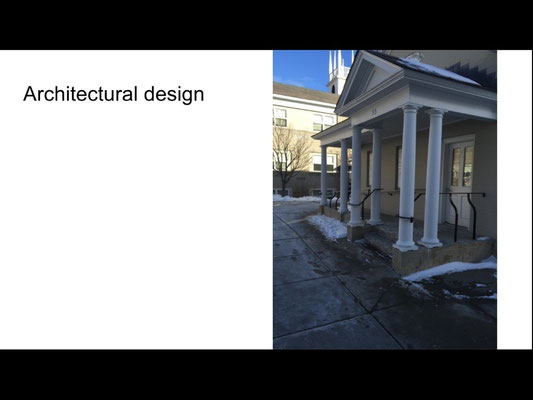
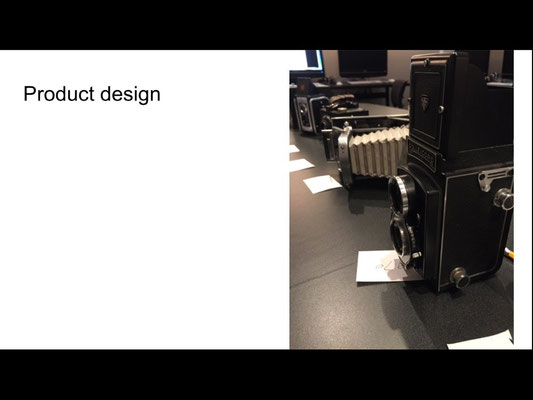
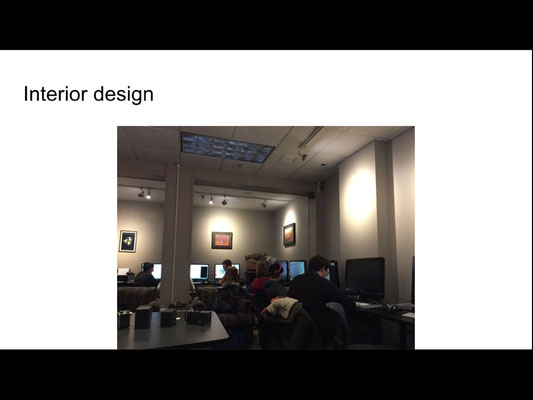
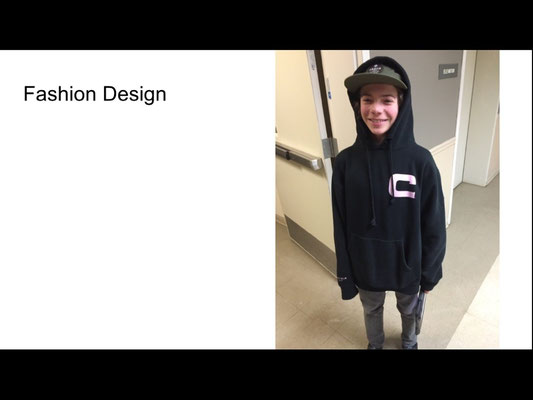
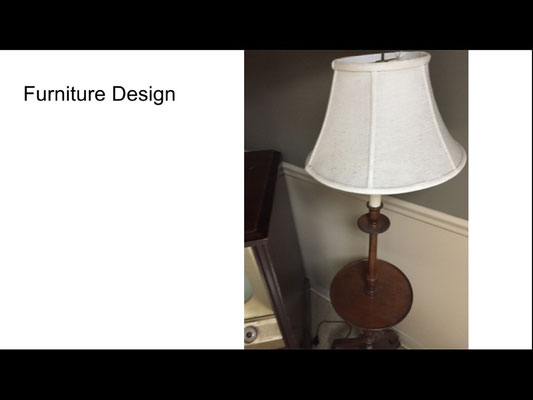
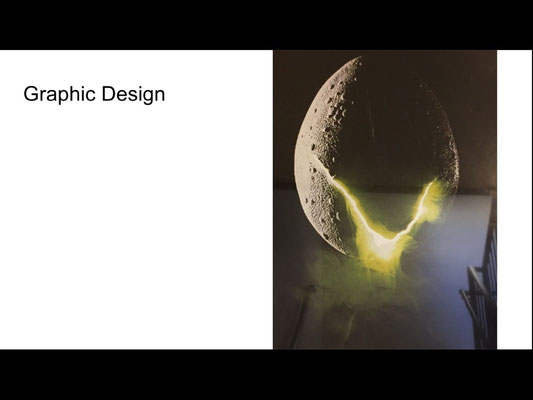
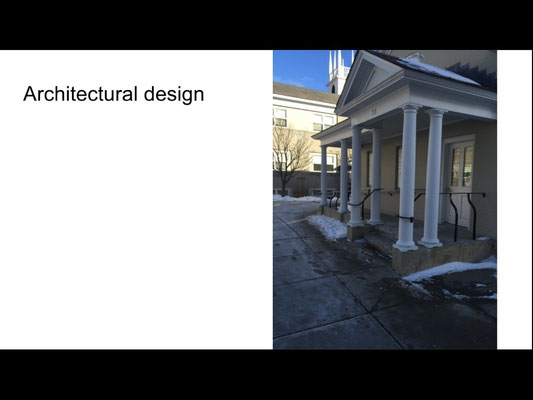
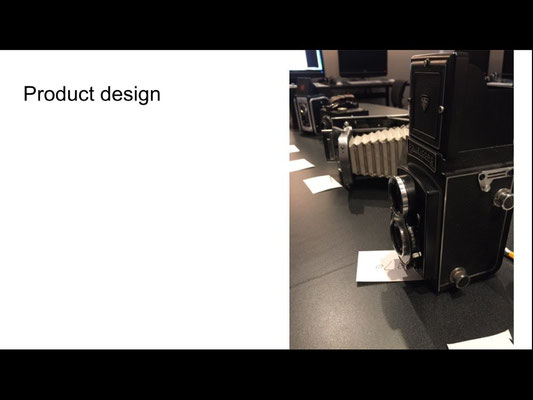
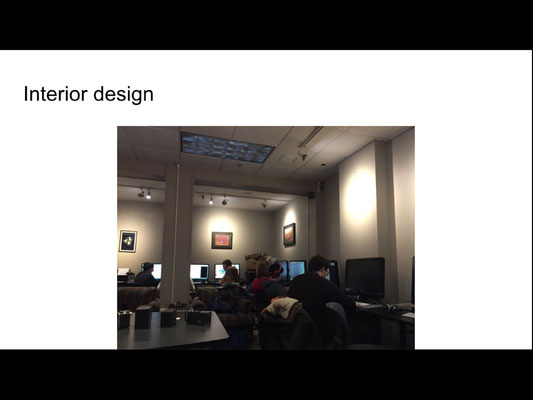
Types of Design
Marshmallow Challenge
WHAT WERE THE DIFFICULTIES YOU ENCOUNTERED?
We had a lot of trouble getting the top of the structure to stay up. In the end it just bent until it broke.
- WAS THERE GOOD COMMUNICATION IN YOUR GROUP?
There was a good amount of communication between our group. We worked together to get everything to hold together. Everyone had good ideas.
- WHAT WERE THE PERSONAL DYNAMICS OF YOUR GROUP - DID ONE OR MORE PEOPLE EMERGE AS GROUP LEADERS?
Everyone in the group gave input and helped. Everyone had an equal amount of power as well. There wasn't a specific leader.
- DID EVERYONE GET TO PARTICIPATE?
Yes everyone helped in one way or another. Whether it were ideas or the actual construction.
- WAS YOUR GROUP ULTIMATELY SUCCESSFUL IN COMPLETING THE CHALLENGE - - WHY OR WHY NOT?
No we were not able to keep the marshmallow up in the air. The problem we had was the structure. The design wasn't valid.
- DID YOU FIND THIS CHALLENGE FUN?
It was a lot of fun because you had to do a lot of trial and error.
- HOW WOULD YOU DO THINGS DIFFERENTLY IF YOU WERE TO DO THIS CHALLENGE AGAIN?
I would choose a different structure. I would make it so the structure leaned one way or another that way we could keep it up with the string.
Project 2
- An example of the design process is the ice cream scooper
- There was a product that wasn't easily served and that was the gap.
- They thought to use regular spoons to serve the ice cream but they weren't strong enough.
- Then they drew a design of how to make it easier to serve.
- Then there was the prototype of the ice cream scooper and from there improvements were made.
- Design happens because there is a gap.
- The first try will not always be the best
- An artifact is something made by humans
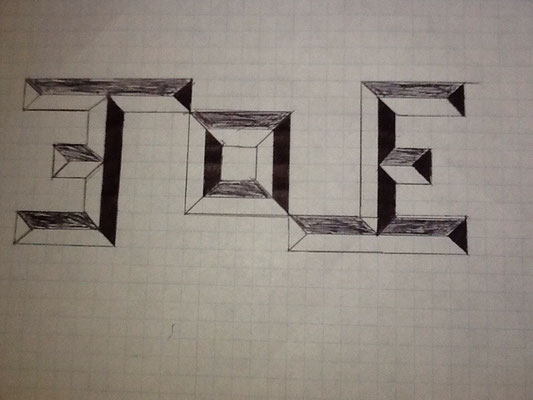
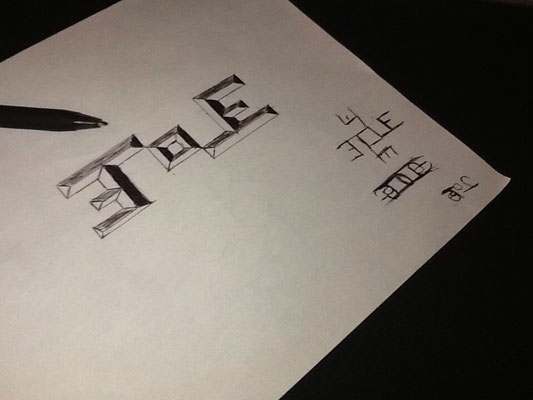
- An inversion is something that looks the same no matter what way you look at it.
- There will be a prototype for every design
Inversion